SPECIAL REPORT TWO - Heidelberg digital: one product portfolio is not enough
Despite announcing that the company will no longer fund research and development of the NexPress, he maintains that Heidelberg is not getting out of digital printing. Indeed he claims that by this time next year it will be selling even more digital printing products than at present. But they will not be made by Heidelberg.
The company produces a single digital colour product, the NexPress, focused on the high quality colour and sold to commercial printers. There are two NexPress in Australia, one at Pongrass Communications in Sydney, the other at Impact in Melbourne. Both were installed within the past 18 months.
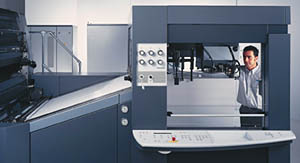
Heidelberg also manufactures the Digimaster range of black and white engines using technology it bought from Eastman Kodak when that company was exiting the graphic arts market in the late 1990s. Both the NexPress and the Digimaster products are manufactured in Rochester USA by Heidelberg Digital, which is a wholly-owned but separate US-based company.
The limited product portfolio has not been sufficient for Heidelberg to make a successful business out of it and the company faces the need to re-position itself if it is to continue in the sector. Research and development in colour digital is a very expensive affair with Schreier admitting that the company is spending large amounts of money with little or no return. Cashed up competitors such as Xerox and HP and a host of Japanese companies have a much wider range of products, and are driving the technical requirements and the investment levels.
Part of the problem is that Heidelberg positioned the NexPress to appeal to its traditional customer base of commercial production printers. It is debateable if this market sector is all that interested in investing in digital printing, especially in high-volume presses that compete with established offset machines. One of the main market differentiators of the NexPress is that it is rated to produce one million copies per month. To complement this capacity the company has developed digital finishing, which is one of the products earmarked for the chop in the realignment of the postpress sector.
Much of the appeal of digital is in the production of variable data imaging, so-called personalised printing. This is the where the technology has a clear differentiation from offset. According to Shreier, there has been little investment by customers in the development of the databases necessary for variable printing. Without it commercial digital printing is left competing with small offset for short run colour. “In many cases, small offset is the better solution,” he said. He maintains the sector is set to grow, but not by much.
For Heidelberg to be a serious player in the digital printing market it needs to have a broad portfolio of products addressing the different quality and production levels. There is a burgeoning number of mid-range, low-cost colour digital machines coming onto the market, mostly from Japanese manufacturers. This is the type of engine Heidelberg needs to be able to supply its customers and it has made the decision not to devote the capital funds necessary to develop such a portfolio on its own, even if it could.
Which means it is looking for partners to take over the development and production of the NexPress. The most likely suitor is Eastman Kodak, which not only has a 50 per cent share in the product but has recently expressed interest and intention of getting back into the graphic arts markets – witness its formation of a Commercial Printing Division and the purchase of Scitex Digital Printing. To make the deal sweeter for whoever takes over development and production of the NexPress, Heidelberg is committing itself to be a major supplier of digital printing technology to the market.
If Eastman Kodak does not take over the NexPress, Schreier has committed Heidelberg to supporting the existing base and to maintaining the production infrastructure. But there will be no R&D of the product line, a factor that would effectively seal its fate. Few new customers would choose an avowed orphan against the offerings of aggressive competitors such as Xerox and HP.
Its black and white Digimaster business is one where Heidelberg’s channel partners, Danka and Icon, have had most success selling to the office market. Heidelberg does not have the expertise in this sector. Its sales and service focus is not on the office and transactional markets. The strategy is to put its large sales and service network to work selling a broader range of digital printing equipment into the graphic arts customer base. This should mean by drupa next year there will be a heady mix of OEM and re-badged digital output engines in the Heidelberg portfolio.


